
How Many Times Can You Take IELTS in a Year 2026



If you are planning your study abroad or migration journey for the upcoming seasons, you are likely asking yourself: how many times can you take ielts in a year 2026? The short answer is as many times as you need, but the strategic answer involves much more than just booking dates. In the evolving landscape of international education, understanding the frequency and regulations of the International English Language Testing System (IELTS) is crucial for managing both your budget and your stress levels.
As an expert instructor at SimplyIELTS, I have seen students take the test once and achieve their dream score, while others struggle through multiple attempts. The year 2026 brings with it refined digital testing options and the widespread availability of the One Skill Retake, which significantly changes the math for candidates. Before you rush to book your next seat, it is essential to understand the logistics and the psychological impact of repeated testing.
In this comprehensive guide, we will dive deep into the regulations, the practicalities of test scheduling, and the expert strategies that will help you decide if a retake is truly necessary. We will explore the nuances of how many times can you take ielts in a year 2026 so that you can make an informed decision that aligns with your university deadlines and visa requirements.
Overview: What This Guide Covers
This guide is designed to be your definitive resource for navigating IELTS attempts in 2026. We will cover the official stance of the British Council and IDP, the differences between computer-delivered and paper-based testing frequencies, and the revolutionary “One Skill Retake” feature. Furthermore, we will provide a framework for deciding when to stop testing and start focused preparation using resources like our IELTS preparation at home guide.
Beyond the rules, we will discuss the financial implications and the “law of diminishing returns” in language testing. Whether you are aiming for a Band 7.0 for a Master’s program or an 8.0 for permanent residency, knowing the limits—or lack thereof—is the first step toward a successful application.
The Official Rules: How Many Times Can You Take IELTS in a Year 2026?
One of the most common myths in the testing world is that there is a mandatory waiting period between IELTS attempts. In the past, there was a 90-day rule, but that was abolished years ago. For those wondering how many times can you take ielts in a year 2026, the official policy remains: there is no limit. You can take the test as often as you like, provided you can find an available test date and pay the registration fee.
However, just because you can take the test every week doesn’t mean you should. The British Council and IDP both recommend that candidates allow themselves sufficient time for preparation between attempts. In 2026, the availability of computer-delivered IELTS has made it possible to sit for the exam almost every day in major metropolitan areas. This convenience is a double-edged sword; while it offers flexibility, it also encourages “panic-booking” without adequate study.
Key Facts for 2026 Candidates
- No Waiting Period: You can book a test immediately after receiving your previous results.
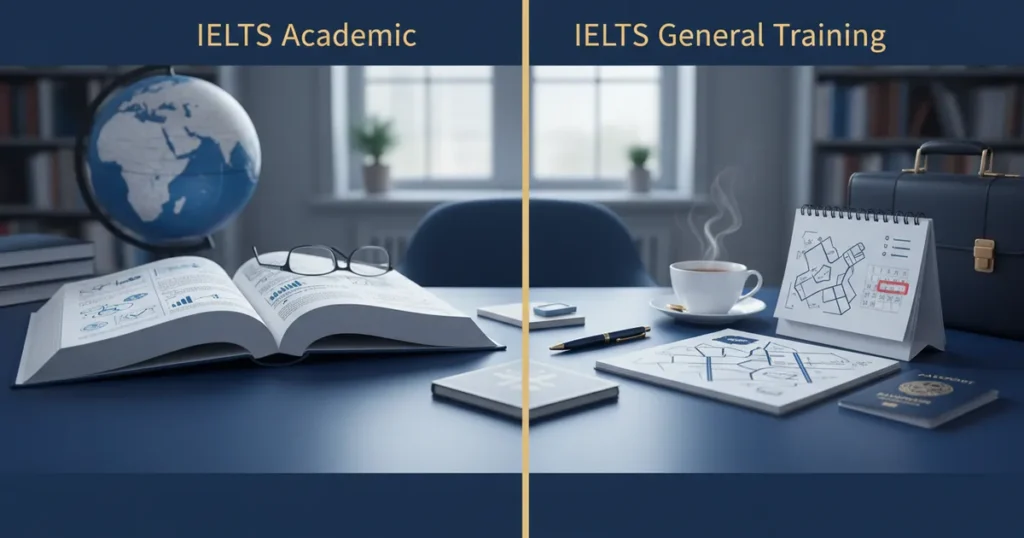
- Test Formats: Both Academic and General Training modules follow the same unlimited-attempt rule.
- One Skill Retake (OSR): In 2026, OSR is a standard feature in most regions, allowing you to retake just one section (Listening, Reading, Writing, or Speaking) instead of the full exam.
- Result Validity: Each Test Report Form (TRF) is valid for two years from the date of the original test.
Key Differences and Key Facts: Paper vs. Computer
The frequency with which you can take the test often depends on the format you choose. When considering how many times can you take ielts in a year 2026, you must factor in the result turnaround time. Computer-delivered IELTS results are typically available within 3-5 days, whereas paper-based results take 13 days. This means a computer-based candidate could theoretically sit the exam much more frequently within a single month than a paper-based candidate.
| Feature | Computer-Delivered IELTS | Paper-Based IELTS |
|---|---|---|
| Frequency | Up to 3 times a day, 7 days a week | Usually 4 times a month (Saturdays/Thursdays) |
| Results Turnaround | 3 to 5 days | 13 days |
| Booking Window | Can book up to 24 hours before | Usually requires 1-2 weeks notice |
| One Skill Retake | Widely available | Limited availability in some regions |
Why This Matters for Your IELTS Journey
Understanding how many times can you take ielts in a year 2026 is not just about logistics; it is about strategy. Many students fall into the “IELTS Trap”—the cycle of taking the test, failing to reach the target score by 0.5 bands, and immediately re-booking for the following week. This rarely works because language proficiency does not improve significantly in seven days.
If you are struggling with specific sections, such as the Writing module, you might benefit more from our IELTS Writing Task 2 Masterclass than from another test attempt. Taking the test multiple times without changing your preparation method is an expensive way to stay at the same band level. In 2026, universities are becoming more stringent with their requirements, often looking for “single-sitting” scores unless they explicitly accept the One Skill Retake.
Step-by-Step Practical Guide to Managing Multiple Attempts
If you find yourself needing to take the test more than once, follow this strategic step-by-step guide to ensure your subsequent attempts are successful.
- Analyze Your Previous TRF: Look at your scores objectively. If you are 0.5 bands away, you may need better exam techniques. If you are 1.0 or more bands away, you need to improve your general English level.
- Check University Requirements: Before booking a retake, ensure your target institution accepts the One Skill Retake or multiple TRFs.
- Identify the Root Cause: Was it nerves? Time management? Or a lack of IELTS speaking vocabulary? Use our resources to pinpoint your weaknesses.
- Set a Realistic Gap: Allow at least 2-4 weeks between attempts for intensive study. Use this time to take an IELTS vocabulary quiz to track your progress.
- Book Your Date: Check the IELTS exam dates for 2026 and choose a venue that offers the format you are most comfortable with.
Strategic Planning: How Many Times Can You Take IELTS in a Year 2026 Effectively?
When students ask me how many times can you take ielts in a year 2026 effectively, I suggest a limit of three full attempts per year. Beyond three attempts, the psychological fatigue begins to outweigh the benefits of familiarity with the test format. Instead of a fourth attempt, many successful candidates pivot to a different preparation strategy.
For example, if you are consistently failing the Reading section, don’t just keep taking tests. Spend a month mastering IELTS reading tips and tricks. The goal is to make every attempt count. In 2026, the cost of the exam is expected to rise slightly in line with global inflation, making each attempt a significant financial investment.
The most successful IELTS candidates are not those who take the test the most often, but those who treat each failure as a diagnostic tool to refine their skills before the next attempt.
Senior IELTS Instructor, SimplyIELTS.com
The One Skill Retake (OSR) Revolution in 2026
The most significant change in the last few years that carries into 2026 is the One Skill Retake. This allows you to retake only one section of the test if you didn’t perform as expected. This is a game-changer for those wondering how many times can you take ielts in a year 2026. Instead of sitting through the entire 3-hour exam again, you can focus your energy and money on just one area.
OSR Eligibility and Rules:
- You must have completed a full IELTS test at a center that offers OSR.
- The retake must be booked within 60 days of the original test date.
- You can only retake one skill per full test sitting.
- You receive a new TRF that includes your original scores and the new retake score.
This feature is particularly useful for students who might have had an “off day” in one section but excelled in others. For instance, if you nailed the Listening and Reading but struggled with a complex graph in IELTS academic writing task 1, the OSR is your best friend.
Pros and Cons of Multiple IELTS Attempts
While knowing how many times can you take ielts in a year 2026 gives you freedom, it is important to weigh the advantages and disadvantages of repeated testing.
Pros
- Familiarity: You become very comfortable with the test environment and timing.
- Reduced Anxiety: The “fear of the unknown” disappears after the first attempt.
- Score Improvement: Statistically, many students see a slight bump in scores simply by understanding the mechanics better.
Cons
- Financial Burden: IELTS is expensive. Repeated attempts can cost thousands of dollars.
- Psychological Burnout: Constant testing can lead to “test fatigue,” where your performance actually starts to decline.
- Time Loss: Every week spent testing is a week not spent on other aspects of your application.
Expert Recommendations for 2026
As we navigate the 2026 testing season, my primary recommendation is to “measure twice and cut once.” Don’t book your first attempt until you are consistently hitting your target scores in authentic practice tests. If you do need to retake, do not rush. The question of how many times can you take ielts in a year 2026 should be answered with “as few as possible.”
Focus on high-quality preparation. If you are struggling with the structure of your essays, enroll in a specialized course like our writing masterclass. If your speaking is hesitant, practice with native speakers or use our vocabulary guides. Remember, the examiners are looking for genuine language proficiency, not just your ability to memorize templates.
Common Questions Answered (FAQs)
Is there a limit to how many times I can take IELTS in 2026?
No, there is no official limit. You can take the test as many times as you want throughout the year, provided there is a seat available at your chosen test center.
Can I take the computer-based and paper-based tests in the same week?
Yes, you can. However, it is generally not recommended as it doesn’t give you time to learn from any mistakes made in the first sitting. When considering how many times can you take ielts in a year 2026, think about the quality of each attempt rather than the quantity.
Do universities see all my previous IELTS scores?
No. You choose which Test Report Form (TRF) to send to the institutions. They only see the scores you share with them. However, if you use the One Skill Retake, the new TRF will show both the original and the retake scores for transparency.
How long should I wait between IELTS attempts?
While there is no legal requirement, experts suggest waiting at least 2 to 4 weeks. This provides enough time to identify errors and work on specific skills like reading comprehension or speaking fluency.
Final Thoughts on IELTS Frequency in 2026
The journey to your desired IELTS score is a marathon, not a sprint. While the flexibility of knowing how many times can you take ielts in a year 2026 is reassuring, it should not be an excuse for poor preparation. The unlimited nature of the test is a safety net, not a primary strategy.
By leveraging modern tools like the One Skill Retake and high-quality preparation materials, you can minimize the number of times you need to visit the test center. Focus on building a solid foundation in English, mastering the test format, and staying calm under pressure. Your success is not defined by how many times you sit the exam, but by the score you eventually achieve to unlock your future.
Next Steps After Reading This Guide
Now that you understand the rules for how many times can you take ielts in a year 2026, it’s time to take action. Don’t leave your score to chance. Start by assessing your current level with our advanced vocabulary quiz and then dive into our specialized lessons.
- Book a Mock Test: Before paying for the real exam, take a full-length mock test to see where you stand.
- Study the Rubric: Understand exactly what the examiners are looking for in the Writing and Speaking sections.
- Join a Community: Follow SimplyIELTS for the latest updates on test dates and changes in 2026.
- Refine Your Skills: Use our Writing Task 1 lessons to master data description.
Your dream of studying or working abroad is within reach. With the right strategy and a clear understanding of the 2026 IELTS landscape, you can achieve your target band score with confidence. Good luck!




Responses