
Describe a Piece of Furniture That you Own — IELTS Speaking Cue Card (Band 9 Sample Answer)


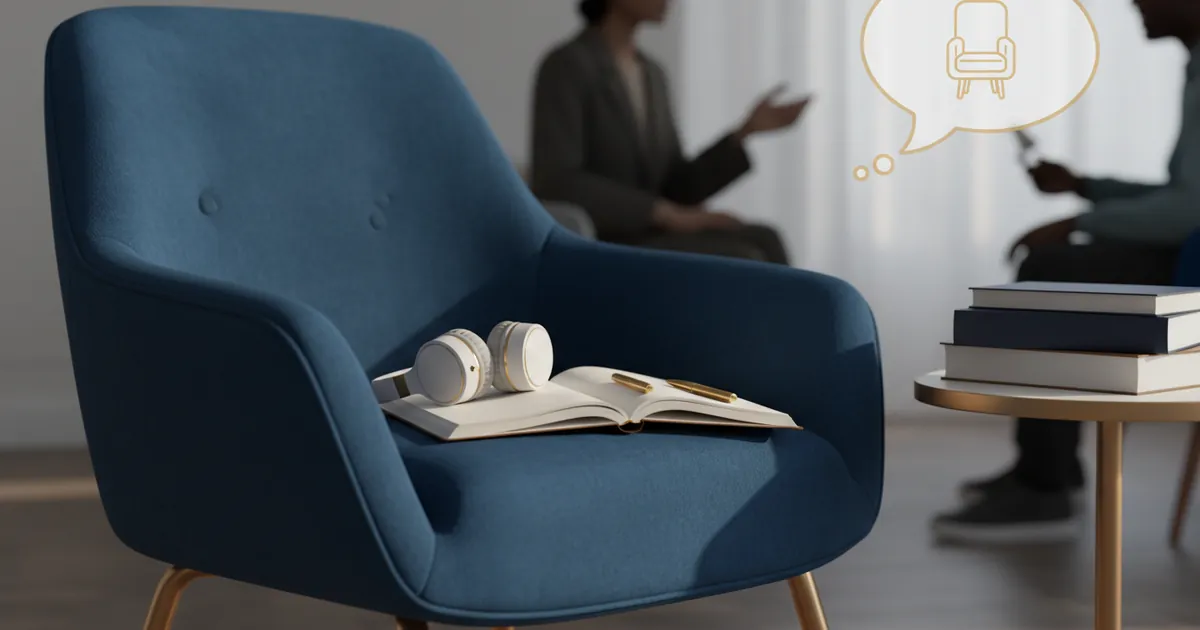
In this post, we will explore how to describe a piece of furniture that you own, a topic that has frequently appeared in recent IELTS Speaking exams. This comprehensive guide provides a Band 9 model answer, a Band 7 alternative, and detailed breakdowns of the vocabulary and grammar needed to excel in your General Overview of IELTS Speaking Test performance.
The Cue Card
Describe a piece of furniture that you own. You should say:
• What it is and where it is in your home
• When and how you got it
• What it looks like
and explain why this piece of furniture is important to you.
Band 9 Sample Answer
To be perfectly honest, I’m not usually someone who gets overly attached to material possessions, but there is one particular piece of furniture in my apartment that I absolutely cherish: my vintage, solid oak writing desk. It currently occupies a sun-drenched corner of my living room, right next to a large bay window, which makes it the ideal spot for productivity. I actually acquired this desk about three years ago when I was scouring a local flea market for some unique home decor. I remember spotting it buried under some old rugs; it looked a bit weathered and neglected, but I could tell immediately that the craftsmanship was top-notch. After a bit of haggling with the vendor, I managed to secure it for a bargain. In terms of its appearance, it’s a classic roll-top desk with a rich, dark honey hue that glows when the sunlight hits it. It features several intricate pigeonholes for organizing stationery and three deep drawers with ornate brass handles that have developed a lovely patina over time. What makes it so significant to me isn’t just its aesthetic appeal, but rather the sense of history it carries. It feels like it has a soul, unlike the mass-produced, flat-pack furniture you see everywhere these days. If I hadn’t found this desk, I don’t think I would have been nearly as motivated to finish my master’s thesis, as it provides such a grounding and inspiring environment to work in. It’s more than just a place to put my laptop; it’s a sanctuary where I’ve spent countless hours reflecting and creating, which is why I consider it the most indispensable item in my home.
Band 7 Sample Answer
I would like to describe a large, comfortable sofa that I have in my living room. I bought it about two years ago from a well-known furniture store when I first moved into my current flat. I remember it was quite expensive, but I thought it was a good investment for my home. The sofa is a L-shaped sectional, and it is covered in a soft, grey fabric that is very easy to clean. It is big enough for three or four people to sit on comfortably, and it has several large cushions that make it perfect for relaxing. This piece of furniture is important to me because it is where I spend most of my free time. After a long day at work, I love to lie down on it and watch a movie or read a book. Also, when my friends come over, we usually sit there and talk for hours. It makes my living room feel very cozy and welcoming. Even though it’s not an antique, I really value it because it helps me relax and enjoy my home life. It’s definitely the most used item in my house and I can’t imagine my living room without it.
How the Band 9 Answer Scores Top Marks
Fluency and Coherence
The speaker demonstrates exceptional fluency by speaking at length without noticeable effort or loss of coherence. The use of natural discourse markers like “To be perfectly honest” and “Actually” helps to bridge ideas seamlessly. The response is logically structured, moving from the location and acquisition of the desk to its physical description and finally its emotional significance. This logical flow is essential for a high score, similar to the techniques taught in our IELTS English Speaking Course.
Lexical Resource
The vocabulary used is both sophisticated and precise. Instead of using generic words like “old” or “nice,” the speaker uses “vintage,” “weathered,” “intricate,” and “aesthetic appeal.” Phrases like “developed a lovely patina” and “mass-produced, flat-pack furniture” show a high level of topic-specific lexical control. This variety is much more effective than the repetitive vocabulary often seen when students describe a toy you liked in your childhood.
Grammatical Range and Accuracy
The answer showcases a wide range of complex structures used accurately. For instance, the use of a third conditional—“If I hadn’t found this desk, I don’t think I would have been nearly as motivated”—demonstrates advanced grammatical control. The speaker also uses relative clauses (“which makes it the ideal spot”) and various verb tenses (past simple for acquisition, present perfect for the duration of ownership) to provide a rich narrative. Using such structures is a key way to boost your score, as mentioned in our Speaking Tips.
Pronunciation
While the text doesn’t show sound, a Band 9 speaker would use word stress and intonation to convey meaning. For example, emphasizing “absolutely cherish” or “immediately” adds emotional weight to the speech. The rhythm would be natural, with appropriate pausing at punctuation points, ensuring the examiner can follow the story without strain. This level of clarity is vital for all topics, including when you describe a place you visited where the air was polluted.
Vocabulary and Idioms to Use
| Word/Phrase | Meaning | Example Sentence |
|---|---|---|
| Antique / Vintage | Something from a past period, often valuable. | “I love the vintage look of this wooden cabinet.” |
| Craftsmanship | The quality of design and work shown in something made by hand. | “The craftsmanship of this chair is truly remarkable.” |
| Sentimental value | Importance based on personal feelings or memories. | “The table has great sentimental value because it was my grandmother’s.” |
| Focal point | The center of interest or activity. | “The ornate fireplace is the focal point of our living room.” |
| Flat-pack furniture | Furniture sold in pieces to be assembled by the buyer. | “Most modern apartments are filled with flat-pack furniture.” |
| Sturdy | Strong and solid. | “I need a sturdy desk that can support my heavy monitors.” |
| Minimalist | A style using simple elements and few decorations. | “Her apartment has a very minimalist aesthetic.” |
| Upholstery | The soft, padded textile covering that is fixed to furniture. | “The velvet upholstery on the sofa feels very luxurious.” |
| Ergonomic | Designed for efficiency and comfort in the working environment. | “I invested in an ergonomic chair to prevent back pain.” |
| Heirloom | A valuable object that has belonged to a family for several generations. | “This silver mirror is a family heirloom.” |
| Refurbish | To renovate and redecorate something. | “We decided to refurbish the old dining table rather than buy a new one.” |
| Clutter-free | Tidy and without unnecessary items. | “I try to keep my workspace clutter-free to stay focused.” |
Grammar Structures That Boost Your Band Score
- Relative Clauses: “The desk, which I bought three years ago, is still in perfect condition.”
- Present Perfect for Duration: “I have owned this bookshelf since I moved into my first apartment.”
- Conditionals (Type 2/3): “If I had more space, I would buy a matching wardrobe.”
- Passive Voice: “The table was handcrafted from reclaimed timber.”
- Used to / Would for Past Habits: “I used to sit on this chair every evening to do my homework.”
- Comparatives and Superlatives: “It is the most comfortable piece of furniture I have ever owned.”
- Modals for Deduction: “It must have been quite expensive when it was first made.”
- Participle Phrases: “Located in the corner, the lamp provides a warm glow at night.”
Part 3 Follow-up Questions
Do people in your country prefer traditional or modern furniture?
In my experience, there’s a bit of a generational divide. Older people often gravitate toward traditional furniture made of solid wood because they value durability and classic aesthetics. They see furniture as a long-term investment. Conversely, the younger generation tends to prefer modern, minimalist designs. This is largely due to the fact that many young professionals live in smaller urban apartments where space-saving, multi-functional furniture is a necessity. Furthermore, the influence of global brands has made modern styles more accessible and affordable. However, there is a growing trend of mixing both styles to create a more eclectic and personal home environment.
Is the quality of furniture today better than in the past?
That’s an interesting question. I would argue that while we have better technology today, the overall quality of mass-produced furniture has actually declined. In the past, furniture was often handmade by skilled artisans using high-quality materials like solid mahogany or oak, meaning it could last for generations. Today, much of what we buy is made from particleboard or MDF, designed for convenience and low cost rather than longevity. That being said, high-end contemporary furniture still offers excellent quality, but it comes at a much higher price point. It’s similar to the shift in how we consume information; just as you might describe an article you read about health that focuses on modern lifestyle changes, our furniture choices reflect a shift toward a more “disposable” culture.
What factors do people consider when buying furniture?
There are several key factors. Firstly, functionality is paramount; people need to know if the piece fits their space and serves its intended purpose. Secondly, price is almost always a major consideration, as furniture can be a significant financial commitment. Aesthetic appeal is also crucial, as people want their homes to reflect their personal style. More recently, sustainability has become a factor, with many consumers looking for eco-friendly materials or ethically sourced wood. Finally, comfort is essential, especially for items like sofas or beds where we spend a large portion of our time. It’s a complex balancing act between budget, beauty, and utility.
How does furniture affect the atmosphere of a home?
Furniture plays a pivotal role in setting the tone of a living space. For example, a room filled with plush, oversized sofas and warm lighting feels cozy and inviting, whereas a room with sleek, metal-framed furniture and sharp angles might feel more professional or cold. The arrangement of furniture also dictates how people interact; a circular dining table encourages conversation more than a long rectangular one. In many ways, furniture is the “soul” of a house. Just as a time when the vehicle you took broke down can ruin a trip, poor furniture choices can make a home feel cluttered or uncomfortable, affecting the mental well-being of the residents.
Should people spend a lot of money on furniture?
I believe it depends on the specific item. For things that directly impact your health and well-being, like a high-quality mattress or an ergonomic office chair, it is absolutely worth investing a significant amount of money. These items pay for themselves in terms of better sleep and reduced physical strain. However, for decorative pieces like side tables or bookshelves, I don’t think it’s necessary to break the bank. You can often find beautiful, unique items at second-hand shops or flea markets for a fraction of the price. Ultimately, it’s about prioritizing quality where it matters most and being sensible with your budget elsewhere.
Common Mistakes to Avoid
- Being Too Brief: Don’t just list the items in your room. Focus on one specific piece and describe it in detail to hit the 2-minute mark.
- Lack of Adjectives: Avoid saying “It is a big brown table.” Instead, use “It is a substantial, mahogany dining table with a polished finish.”
- Forgetting the “Why”: The last bullet point (why it is important) is where you can show off your ability to express feelings and opinions. Don’t rush this part.
- Repetitive Vocabulary: Try not to use the word “furniture” in every sentence. Use synonyms like “piece,” “item,” “fixture,” or the name of the object (e.g., “this wardrobe”).
- Ignoring the Tense: If you are talking about how you got it, use the past tense. If you are describing it now, use the present tense. Mixing these up can lower your grammar score.
Practice Tips for This Cue Card
- Record and Review: Use your phone to record yourself speaking for two minutes. Listen back and check if you used a variety of adjectives and complex sentences.
- Use a Timer: Practice speaking for exactly 2 minutes. Many students stop too early, which prevents them from reaching the higher bands for fluency.
- Expand Your Vocabulary: Look around your own room and try to describe five items using at least three adjectives for each.
- Prepare for Part 3: Think about broader societal trends regarding furniture, such as environmental impact or the rise of “fast furniture.”
- Check Latest Topics: Stay updated with the IELTS Speaking Topics Jan–Apr 2026 to see if this or similar cards are currently being used.
Mastering the “describe a piece of furniture that you own” cue card requires a blend of descriptive language and personal storytelling. By focusing on specific details and using advanced grammatical structures, you can significantly improve your band score. For more in-depth practice and feedback, consider enrolling in our IELTS English Speaking Course or visiting the IELTS Official Website for more resources.






Responses